August 19, 2026
Understanding when to call a local HVAC company for your system can save you time and money while ensuring that your living space remains comfortable throughout every season. Heating, ventilation, and air conditioning equipment consists of complex electrical, mechanical, and refrigeration components that require periodic professional attention to operate at peak efficiency. Regular inspections and timely technical interventions can avert sudden system breakdowns, reduce monthly utility expenses, and significantly extend the operational lifespan of your mechanical investments. By staying vigilant to subtle changes in system performance, homeowners can proactively manage their indoor climate, safeguard family health, and preserve overall building equity.
Recognizing Irregular Noises Coming from Your System
Unusual noises emanating from indoor air handlers, outdoor condenser units, or ductwork frequently serve as the initial warning sign of mechanical distress. While gentle hums and soft air movement are completely normal during standard operation, loud banging, metallic clanking, screeching, or persistent squealing are not and require thorough technical exploration. These sounds often originate from loose or failing internal components. For example, a heavy banging noise typically indicates a loose connecting rod, unbalanced blower wheel, or damaged crankshaft within the compressor, whereas a high-pitched squeal often points to worn motor bearings or a slipping fan belt.
Determining the precise physical origin of an unfamiliar noise is vital for addressing the underlying mechanical defect. A continuous rattling sound might mean loose cabinet hardware, detached housing panels, or outdoor debris trapped within the condenser fan blades. Conversely, a sharp whistling or high-pitched hissing noise usually signals significant static pressure imbalance, air duct leakage, or a clogged return air filter. While minor physical obstructions can occasionally be cleared by a homeowner, persistent or severe operational noises warrant an immediate service call to an experienced local HVAC company to prevent catastrophic mechanical failure.
Assessing System Performance and Energy Efficiency
An unexpected, sharp increase in monthly energy bills often serves as a clear indicator that your heating and cooling equipment is losing operational efficiency. Monitoring utility usage over time allows homeowners to identify sudden performance drops that suggest the system is overworking to maintain set indoor temperatures. Comparing current energy consumption against historical data from previous years helps isolate mechanical flaws from normal seasonal weather variations. When utility costs rise without a corresponding change in household habits or weather patterns, a professional system evaluation is necessary to restore baseline performance.
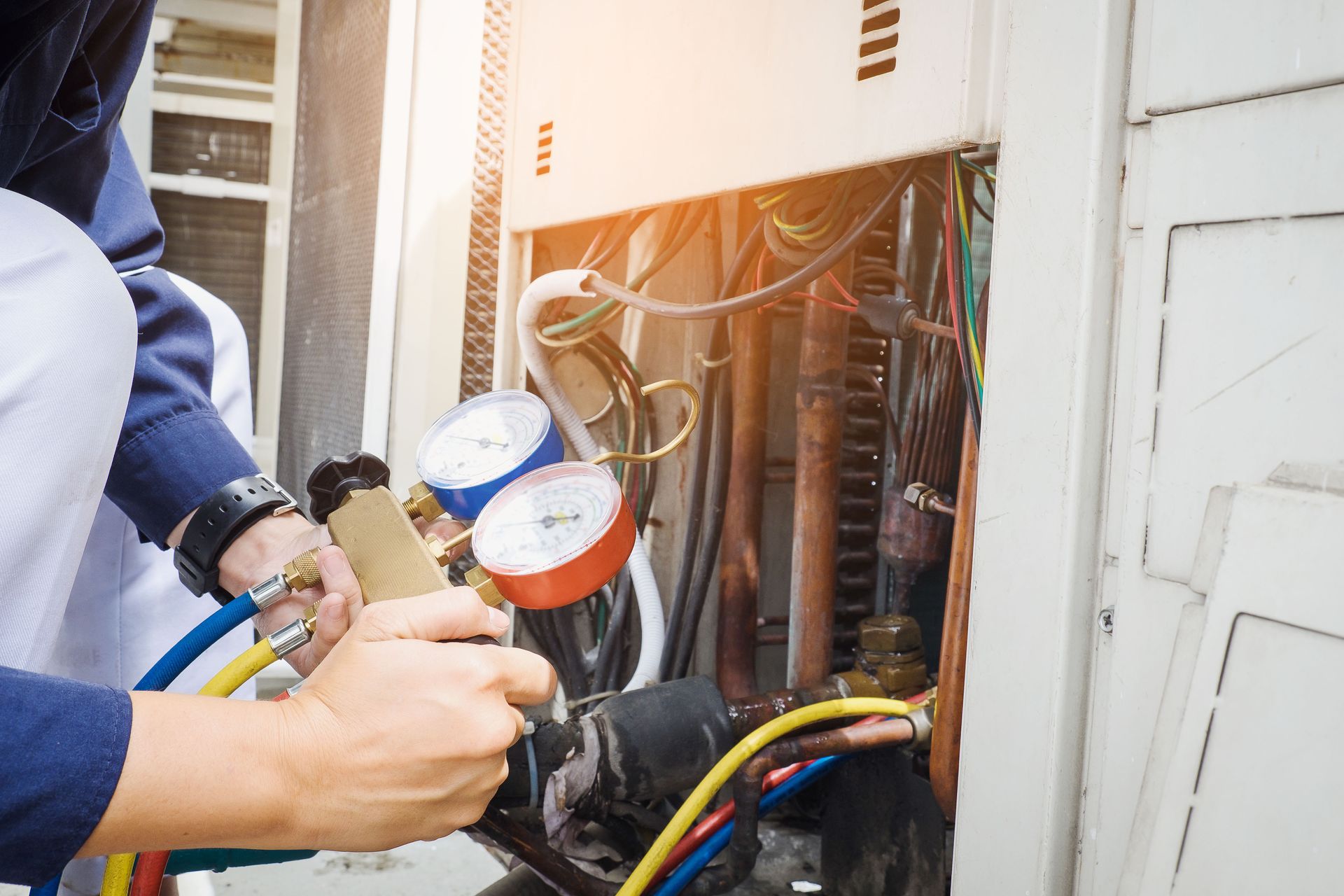
Evaluating thermal output and airflow distribution provides additional insight into system health. An HVAC unit should deliver consistent, even temperatures across every room in the home without frequent thermal fluctuations. If specific living spaces remain uncomfortably warm or cold while the thermostat remains unmet, the unit may be suffering from low refrigerant levels, failing compressor valves, or severe ductwork leaks. Furthermore, restricted airflow starves the system of required air volume, forcing motors to work harder and risking evaporator coil freeze-ups. Scheduling routine diagnostic checks with a qualified local HVAC company ensures that refrigerant charges, electrical draw, and air volume match design specifications.
Detecting Unusual Odors and Indoor Air Quality Hazards
Unusual odors originating from supply vents or central utility closets should never be ignored, as they frequently signal internal contamination or electrical hazards. A musty, stale odor usually indicates mold, mildew, or bacterial growth flourishing on damp evaporator coils or within standing condensate drain pans. Burning odors, on the other hand, strongly suggest overheating electrical wiring, melting insulation, or an electric resistance heater operating with heavy dust accumulation. Identifying these scent profiles early enables property owners to seek technical support before internal damage worsens or indoor air quality degrades.
Neglecting persistent HVAC odors can lead to serious health complications for household occupants, particularly individuals with asthma, severe allergies, or compromised respiratory systems. Biological contaminants spread rapidly through forced-air ductwork, exacerbating indoor air pollution. Furthermore, burning plastic or metallic smells indicate active fire risks that demand immediate system shutdown. While replacing dirty air filters can resolve minor dust odors, persistent or acrid smells require comprehensive professional diagnosis and chemical coil sanitization from a local HVAC company to protect both property and occupant health.
Addressing Temperature Imbalances and System Runtime Issues
Uneven heating or cooling throughout a home often reflects severe system imbalance, improper equipment sizing, or failing duct infrastructure. When certain rooms consistently fail to reach the desired temperature, overall household comfort declines, and energy waste increases. While basic DIY measures like clearing supply registers, installing weather stripping, or utilizing thermal window coverings can offer minor relief, chronic temperature variances usually stem from deeper mechanical issues. System recalibration, duct sealing, or the installation of dedicated HVAC zoning systems may be required to deliver precise, localized climate control.
Calculating operational runtimes also provides critical insights into equipment health. Systems that run continuously without satisfying the thermostat, or those that rapidly cycle on and off every few minutes, are operating under severe mechanical strain. Short-cycling is particularly damaging, as it accelerates wear on contactors, capacitors, and compressor motors while failing to manage indoor humidity levels. When troubleshooting basic settings does not resolve erratic runtimes, a professional assessment is needed. Certified technicians analyze static pressure, duct sizing, and system capacity to restore proper operational cycles.
Managing System Age and Structured Maintenance Schedules
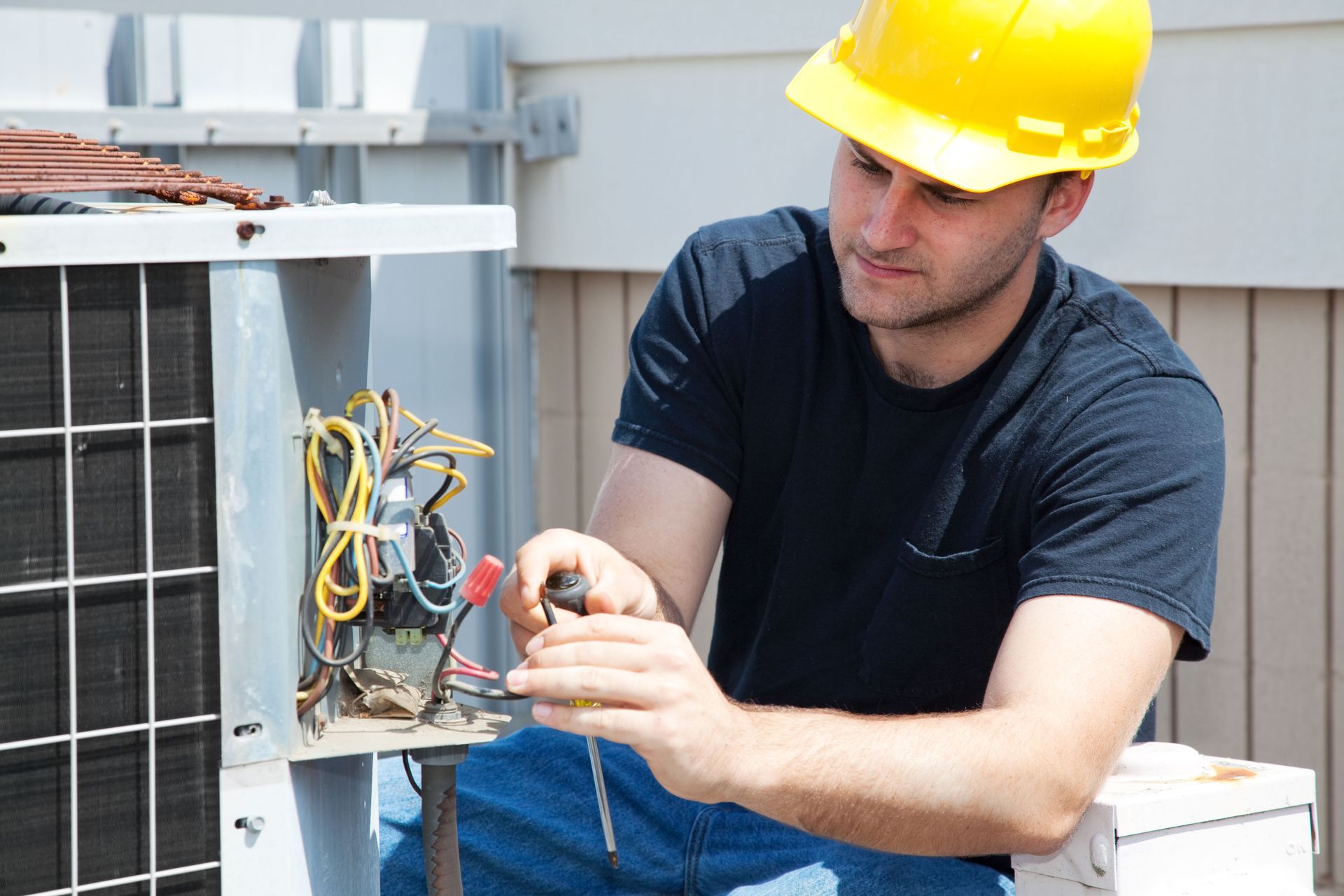
Knowing the exact age and service history of your equipment is pivotal for managing routine upkeep and planning for eventual capital replacements. Most residential systems have a functional lifespan of twelve to fifteen years, after which component failure rates rise significantly. According to the U.S. Bureau of Labor Statistics, aspiring technicians typically complete postsecondary instructional programs at trade schools or community colleges that take anywhere from six months to two years to finish, providing them with the formal technical training needed to evaluate aging machinery, diagnose complex electrical failures, and recommend cost-effective repair or replacement strategies.
Establishing a structured, biannual maintenance schedule with a trusted local HVAC company is the most effective way to maximize equipment longevity and control long-term operating costs. Service visits scheduled every spring and fall prepare equipment for severe summer and winter demands. Routine professional tune-ups include cleaning condensate lines, inspecting electrical connections, lubricating moving parts, checking refrigerant levels, and testing safety controls. This proactive care identifies minor wear and tear before it transforms into expensive emergency repairs, ensuring your system operates safely, quietly, and efficiently year after year.
Handling Emergency Situations and Safety Protocols
Certain severe HVAC anomalies constitute true emergencies that require immediate intervention to protect property and life safety. Complete system failures during extreme cold snaps or dangerous heat waves threaten structural piping and occupant well-being. Sudden, drastic spikes in energy consumption, burning smells accompanied by sparking electrical panels, or standing water pooling around indoor air handlers all demand rapid response. Leaking water can cause extensive ceiling damage, subfloor rot, and structural mold growth if condensation drain lines remain clogged or backed up.
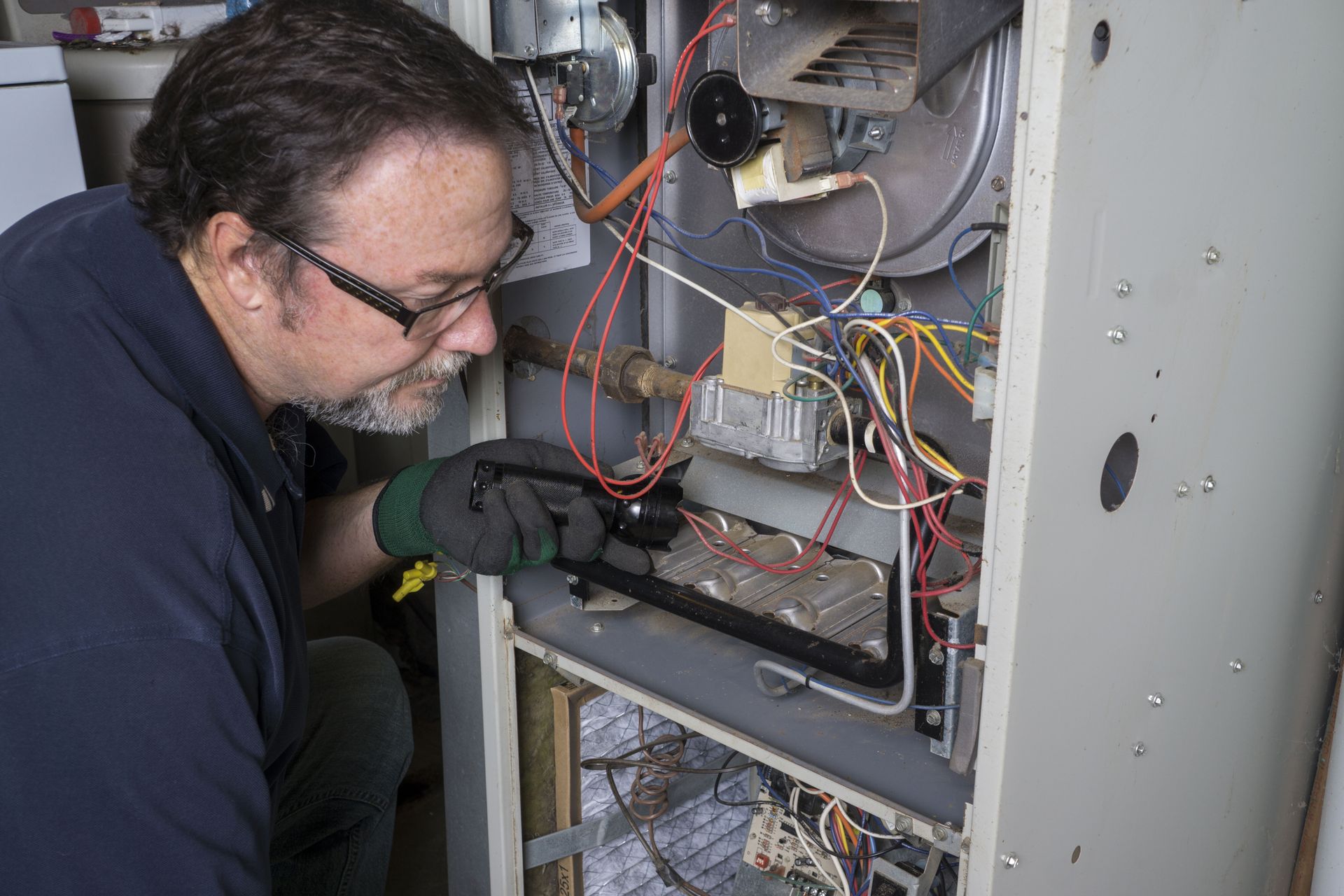
Gas-fired heating systems introduce additional safety considerations, particularly regarding carbon monoxide hazards and natural gas leaks. If you detect a sulfurous, rotten-egg odor or if carbon monoxide alarms sound, immediately evacuate the premises, contact emergency services, and call a local HVAC company for emergency inspection. Professional technicians utilize specialized combustible gas detectors and flue gas analyzers to locate leaks and verify heat exchanger integrity. Prompt emergency service restores crucial climate controls, eliminates safety hazards, and restores total peace of mind.
Recognizing the key warning signs that warrant professional mechanical intervention allows homeowners to maintain a safe, energy-efficient, and comfortable living environment. From investigating strange operational noises and acrid odors to correcting temperature imbalances and managing routine biannual tune-ups, staying proactive protects your mechanical investments from premature failure. When you need reliable service, expert diagnostics, or emergency system repairs, trust the experienced team at Dial Heating & Air to keep your home comfortable year-round.